Guide
Post-Pill PCOS: What Happens When You Stop Birth Control With PCOS
The pill often masks PCOS rather than treating it. Here is what commonly returns after you stop, realistic timelines for periods coming back, which labs to get, and how to prepare.
By PCOS Polly ·
Key takeaways
- Hormonal birth control often masks PCOS symptoms; it does not cure the condition underneath.
- After stopping, acne, irregular or missing periods, and hair changes commonly return over weeks to months.
- Many people without PCOS get a period within about 1-3 months; with PCOS, gaps of 3-6 months or longer are commonly reported.
- Hormone labs taken while on the pill are not reliable for diagnosing PCOS. Most clinicians test a few months after stopping.
- If you have no period for about 3 months, or you are trying to conceive and cycles do not restart, check in with a clinician.
Hormonal birth control often masks PCOS rather than treating it. Regular withdrawal bleeds, clearer skin, and less facial hair can all be effects of the pill. When you stop, underlying symptoms such as irregular or missing periods, acne, and hair changes commonly return over weeks to months. “Post-pill PCOS” is not a separate diagnosis; for many people it is the first look at their natural cycle in years. Plan for tracking, backup contraception if needed, and a check-in if periods do not return within about 3 months.
What commonly comes back after the pill
Experiences shared in r/PCOS and by clinicians line up on a familiar list:
- Acne flares, sometimes worse for 6-9 months before settling
- Oily skin
- Facial or body hair growth
- Hair shedding on the scalp
- Heavier cramps
- Weight changes in either direction
- Periods that vanish for months or bounce between short and very long cycles
Some people also report better mood, libido, and energy off the pill. Both experiences are common.
Realistic timelines
| Situation | What is commonly reported |
|---|---|
| Without PCOS, after combined pills | A period within about 1-3 months |
| With PCOS, after years on the pill | No bleed for 3-6+ months is common |
| Cycles feeling “generally regular” with PCOS | Some people report 12-14 months |
| The bleed right after the last pill | A withdrawal bleed, not an ovulatory period |
If you want to understand why cycles get long or skip with PCOS, see irregular periods and PCOS.
How to prepare before you stop
- Decide on contraception. If you do not want to get pregnant now, set up a non-hormonal or other method first. Ovulation can return quickly for some people.
- Start a symptom and bleed log the week you stop. Track spotting, flow, acne, hair, and mood so you have a clear baseline. Our guide to tracking periods with PCOS explains what to log.
- Build the basics. Many people prepare with sleep, strength training, protein-forward meals, and blood-sugar-steady eating. Our PCOS meal plan is a practical place to start.
- Talk supplements through with your clinician. Supplements people commonly discuss around this time include myo-inositol, vitamin D (if levels are low), and omega-3s, and some try spearmint tea for androgen symptoms. Evidence and results vary. See inositol for PCOS for what studies have actually tested.
Get useful labs after you are off the pill
Birth control changes hormone levels, so labs taken while you are on it are not reliable for diagnosing PCOS. A few months after stopping, people commonly ask about:
- Androgen panel (total and free testosterone, DHEA-S)
- Fasting glucose and insulin, or an oral glucose tolerance test
- Lipid panel
- TSH and prolactin (to rule out thyroid and pituitary causes)
- Vitamin D, CBC, and iron
More on what each test shows in how PCOS is diagnosed.
When to get care sooner
- No period for about 3 months, or you are trying to conceive and cycles will not restart
- Very heavy bleeding, severe acne, or new rapid hair growth
- Long stretches without a period: clinicians sometimes prescribe a short course of a progestin to bring on a bleed and protect the uterine lining. Ask about it rather than waiting indefinitely.
If you are trying to conceive
Do not assume fertility bounces back on a schedule. Tracking ovulation signs (LH tests and basal body temperature) gives you real data, and if ovulation does not return, an OB-GYN or reproductive endocrinologist can talk through options such as ovulation-induction medication. Our guide to getting pregnant with PCOS covers the full playbook.
What to track in PCOS Polly
From day one off the pill, log bleed dates and flow, cycle length, acne and hair notes, energy and mood, and any LH-test or temperature data in PCOS Polly. The goal is a clear picture of your post-pill pattern, not a perfect 28-day calendar, so you can see whether cycles are returning and which habits help. Find more cycle guides on the PCOS Polly blog.
Sources
- Mayo Clinic. Amenorrhea: symptoms and causes.
- Practice Committee of the American Society for Reproductive Medicine. Current evaluation of amenorrhea: a committee opinion.
- Teede HJ et al. 2023 International Evidence-based Guideline for the Assessment and Management of PCOS.
This article is for general wellness information and is not medical advice. Talk to your doctor before stopping or changing any medication, including birth control.
Frequently asked questions
Is post-pill PCOS a real diagnosis? +
Not as a separate condition. The term usually describes PCOS symptoms that were hidden by hormonal birth control and become visible after stopping. Some people also have a temporary delay in cycles after the pill, so a proper evaluation a few months later helps tell the two apart.
How long does it take for periods to come back after stopping the pill with PCOS? +
It varies. Many people without PCOS bleed within one to three months. People with PCOS commonly report three to six months or longer, and some say it took about a year for cycles to feel predictable. A withdrawal bleed right after stopping is not the same as an ovulatory period.
Will my acne come back when I stop birth control? +
It often does if the pill was suppressing androgen-driven acne. Many people report a flare that peaks a few months after stopping. Talk to a dermatologist or your doctor about a plan before you stop so you are not caught off guard.
Should I get tested for PCOS after stopping the pill? +
If you have irregular cycles, acne, or excess hair growth after stopping, an evaluation is reasonable. Because the pill changes hormone levels, testing is usually most useful a few months after your last pill.
Can I get pregnant right after stopping the pill with PCOS? +
Yes, ovulation can return quickly for some people, so use other contraception if you do not want to conceive. If you are trying to conceive and cycles do not return, ask your clinician about evaluation rather than waiting indefinitely.
Keep reading
All articles →-
 Guide
GuideIrregular Periods and PCOS: Causes, Treatment Options, and When to Worry
With PCOS, cycles shorter than 21 days, longer than 35 days, or fewer than 8 periods a year are common. Here is why it happens, the treatment options clinicians discuss, and when an irregular period needs prompt care.
Read article -
 Guide
GuideHow to Track Your Period and Symptoms With PCOS: What to Log (and What to Skip)
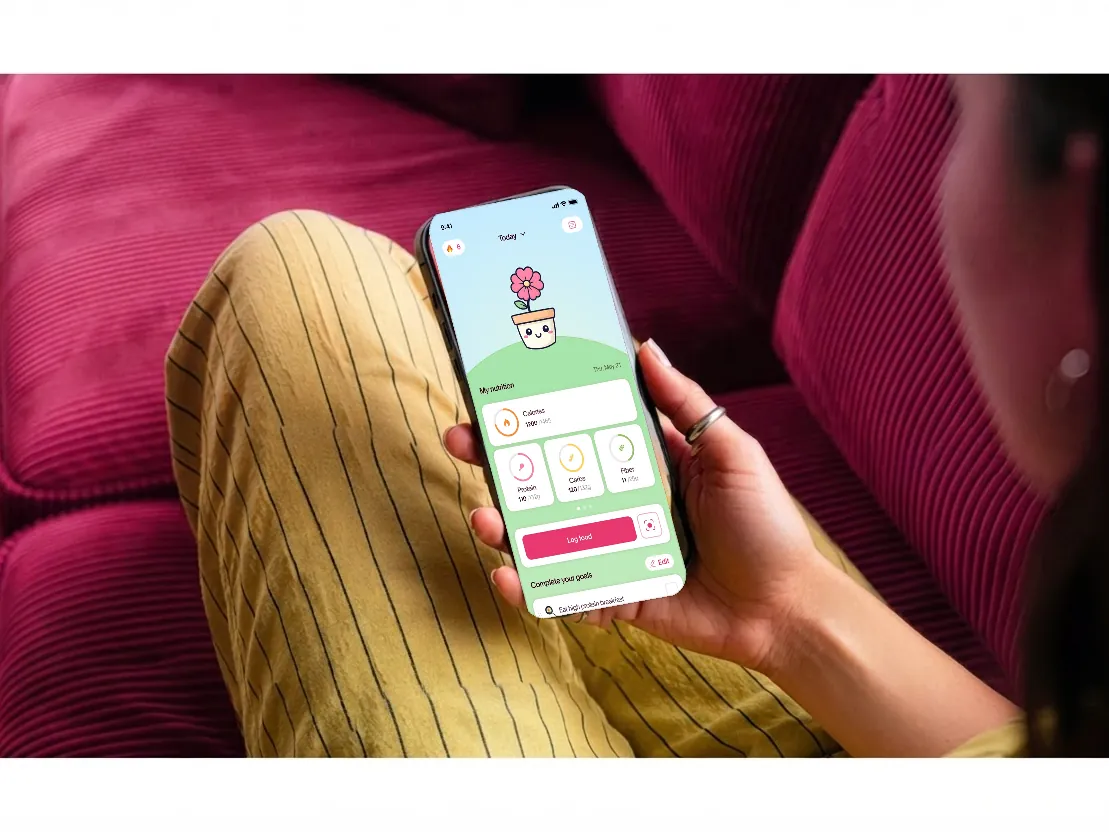
Standard period apps assume a 28-day clock. With PCOS, event-based tracking works better. Here is a simple method for irregular cycles, the symptoms, meals, and habits worth logging, and a 14-day starter routine.
Read article -
 Guide
GuideGetting Pregnant With PCOS: How to Track Ovulation and Improve Your Odds
Many people with PCOS do conceive. Here is how to time sex around real fertility signs, read OPKs, mucus, and BBT with irregular cycles, confirm ovulation, and know when to ask for medical help.
Read article