Guide
PCOS and insulin resistance: what to eat (and what actually matters)
Up to 70% of people with PCOS have insulin resistance. Here is a plain-English guide to eating for steadier blood sugar, fewer cravings, and more energy, without cutting out entire food groups.
By PCOS Polly ·
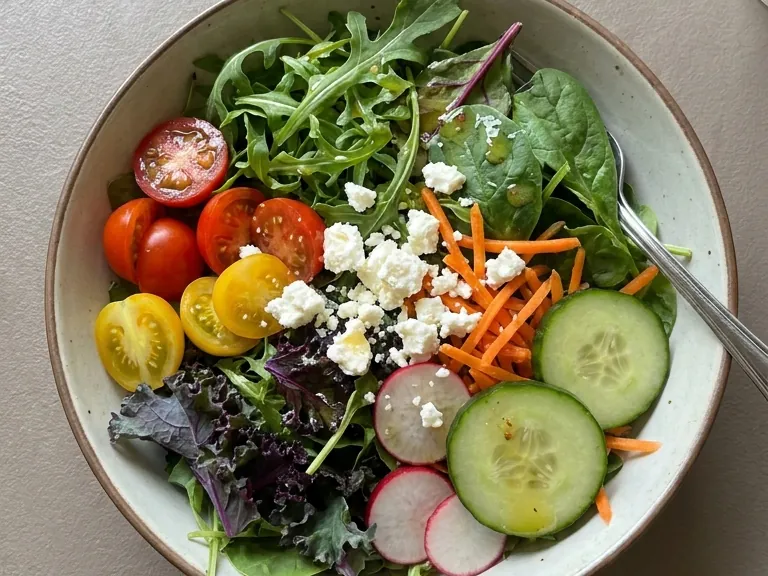
Key takeaways
- Most people with PCOS have some degree of insulin resistance, which drives cravings, fatigue, and stubborn weight.
- Pairing carbs with protein, fiber, and fat blunts blood-sugar spikes more reliably than cutting carbs entirely.
- Aim for roughly 25-30 g of protein at each meal and 25 g or more of fiber per day.
- A 10-15 minute walk after meals meaningfully lowers post-meal glucose.
- Consistency beats perfection: track a few weeks of meals and symptoms to see what works for your body.
If you have PCOS, there is a good chance you have heard the phrase “insulin resistance” and been told to “just eat less sugar.” That advice is not wrong, but it is incomplete, and it skips the part that actually helps: understanding why your body reacts to food the way it does, and building meals that work with it.
What insulin resistance has to do with PCOS
Insulin is the hormone that moves glucose from your blood into your cells. When cells stop responding to it well, your body releases more insulin to compensate. Those higher insulin levels do two unhelpful things in PCOS:
- They signal the ovaries to make more androgens (like testosterone), which drives acne, hair changes, and irregular ovulation.
- They make it easier to store fat and harder to burn it, especially around the middle.
Estimates vary, but studies consistently find that 50-70% of people with PCOS have insulin resistance, including many at a “normal” weight. So if you feel like your cravings and energy crashes are not a willpower problem, you are right.
The three levers that matter most
You do not need a perfect diet. You need a few consistent habits that keep blood sugar steadier across the day.
1. Protein at every meal
Protein slows digestion, blunts the glucose rise from carbs, and keeps you full. A realistic target is 25-30 grams per meal, which looks like:
- 3 eggs plus a cup of Greek yogurt
- A palm-sized piece of chicken, fish, or tofu
- A cup of lentils plus a sprinkle of cheese or seeds
Breakfast is where most people fall short. A high-protein breakfast is one of the highest-impact habits you can build.
2. Fiber, especially from plants
Fiber does for carbs what protein does: slows them down. Aim for 25 grams or more per day from vegetables, beans, berries, oats, nuts, and seeds. Fiber also feeds the gut bacteria that influence inflammation and insulin sensitivity.
3. Pair, don’t ban
Carbs are not the enemy; naked carbs are. A bowl of white rice on its own spikes glucose. The same rice next to chicken, vegetables, and olive oil produces a much gentler curve. Whenever you eat a carb, ask “what am I pairing it with?”
A sample PCOS-friendly day
| Meal | Example | Why it works |
|---|---|---|
| Breakfast | Greek yogurt, berries, chia seeds, walnuts | ~28 g protein, 10 g fiber, slow carbs |
| Lunch | Big salad with chickpeas, grilled chicken, avocado, olive oil | Protein + fat + fiber blunt the chickpeas |
| Snack | Apple with peanut butter | Fruit paired with fat and protein |
| Dinner | Salmon, roasted broccoli, small portion of quinoa | Omega-3s, fiber, moderate paired carbs |
Beyond the plate
- Move after meals. A 10-15 minute walk after eating lowers post-meal glucose noticeably. It does not need to be a workout.
- Sleep. One short night measurably worsens insulin sensitivity the next day. Protecting sleep is a blood-sugar strategy.
- Strength training. Muscle is where glucose goes. Two or three sessions a week improve insulin sensitivity independent of weight change.
Small, boring, repeatable changes beat dramatic overhauls. Your body responds to what you do most days, not what you do perfectly.
How to know if it is working
Insulin resistance is invisible day to day, so track the signals you can see:
- Fewer afternoon crashes and late-night cravings
- Steadier energy and mood
- Less bloating and clearer skin over a few months
- More regular cycles over two to three cycles
Logging meals, symptoms, and cycle together for a few weeks is the fastest way to spot your patterns. That is exactly what PCOS Polly is built for: snap a photo of your meal, log how you feel, and let the app connect the dots.
This article is for general wellness information and is not medical advice. Talk to your doctor or a registered dietitian before making significant changes, especially if you take medication for blood sugar.
Frequently asked questions
Do I need to go low-carb for PCOS? +
Not necessarily. Many people feel better with moderate carbs from whole-food sources paired with protein and fiber. Very low-carb diets work for some but are hard to sustain and are not required to improve insulin sensitivity.
Is dairy bad for PCOS? +
There is no strong evidence that dairy worsens PCOS for everyone. Some people notice acne or bloating with high-dairy intake; tracking your symptoms alongside meals is the most reliable way to find out.
How long until I notice a difference? +
Energy and cravings often improve within two to four weeks of steadier meals. Cycle and skin changes typically take two to three months.
Keep reading
All articles →-
 Guide
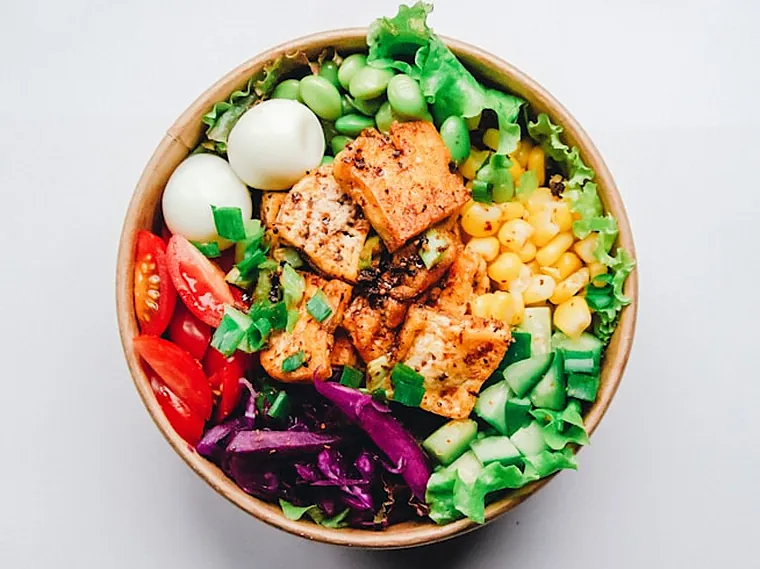
Guide7-Day PCOS Meal Plan: Simple Breakfasts, Lunches, Dinners, and Shopping List
A full 7-day PCOS-friendly meal plan built on protein, fiber, and fat at every meal, with paired carbs, planned leftovers, a core shopping list, and swaps for vegetarian, dairy-free, and budget needs.
Read article -
 Guide
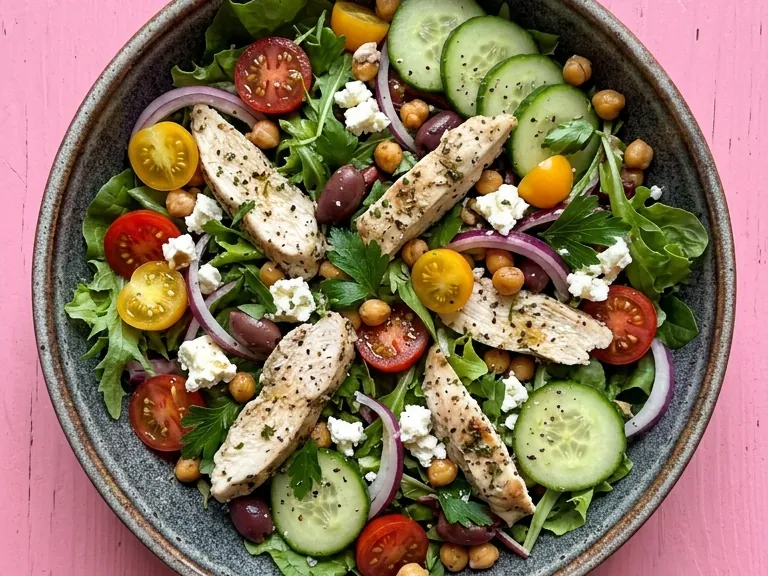
GuidePCOS Macros Calculator: How Much Protein, Carbs, and Fat to Eat With PCOS
Free PCOS macros calculator. Estimate daily calories, protein, carbs, and fat with PCOS-leaning defaults, plus a sample day, a plate shortcut, and how to adjust.
Read article -
 Guide
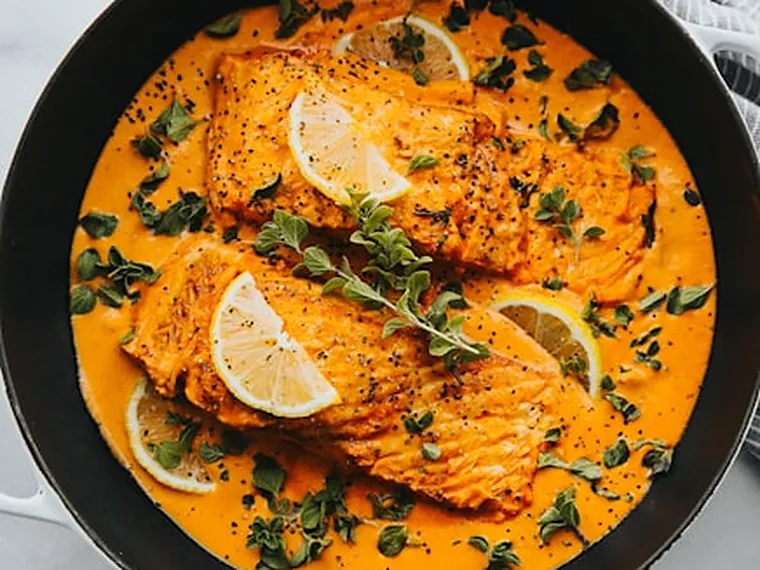
GuideHow to Lose Weight With PCOS (Without Crash Diets)
A practical PCOS weight-loss playbook: the protein targets, strength training, carb ranges, and daily steps people commonly report working, plus what to track so insulin resistance doesn't derail you.
Read article