Guide
How to Lose Weight With PCOS (Without Crash Diets)
A practical PCOS weight-loss playbook: the protein targets, strength training, carb ranges, and daily steps people commonly report working, plus what to track so insulin resistance doesn't derail you.
By PCOS Polly ·
Key takeaways
- Skip crash diets: the habits people with PCOS most often report working are a high protein target, strength training 2-4 times a week, low refined sugar, and daily steps.
- Common protein targets in PCOS communities are around 100 g or more a day, spread across meals; dietitian guides often cite 1.2-1.6 g per kg of body weight.
- Losing about 5-10% of body weight, when that is your goal, can improve insulin, cycles, and energy.
- A 10-15 minute walk after meals plus a daily step floor beats punishing cardio you quit in week two.
- Judge progress weekly with waist, strength, energy, and cycles, not daily scale readings.
Skip crash diets. The pattern that shows up again and again in PCOS communities and clinics is to hit a high protein target, lift weights 2-4 times a week, keep refined sugar low, and add daily steps, then track habits and non-scale wins instead of obsessing over the scale. When weight loss is your goal, losing even about 5-10% of body weight can improve insulin, cycles, and energy. Muscle and protein protect your metabolism so you are not stuck yo-yoing.
If you want to understand why weight is harder with PCOS first, read does PCOS cause weight gain?
1. Set a protein floor
Targets people commonly share in r/PCOSloseit and success stories:
- About 100 g or more per day, or roughly your goal body weight in pounds as grams (goal 150 lb, about 150 g)
- Dietitian-written guides often cite 1.2-1.6 g per kg of body weight
- Spread it out: 25-35 g at breakfast within about an hour of waking, then again at lunch and dinner
If you have kidney disease or another condition that limits protein, ask your doctor before raising it.
2. Build meals that blunt glucose spikes
Eat protein, fiber, and fat first, then carbs. An example day that many people use as a template (roughly 1,600-1,900 kcal; adjust to your needs):
| Meal | Example |
|---|---|
| Breakfast | Greek yogurt with berries and hemp seeds, or 3 eggs with spinach and toast |
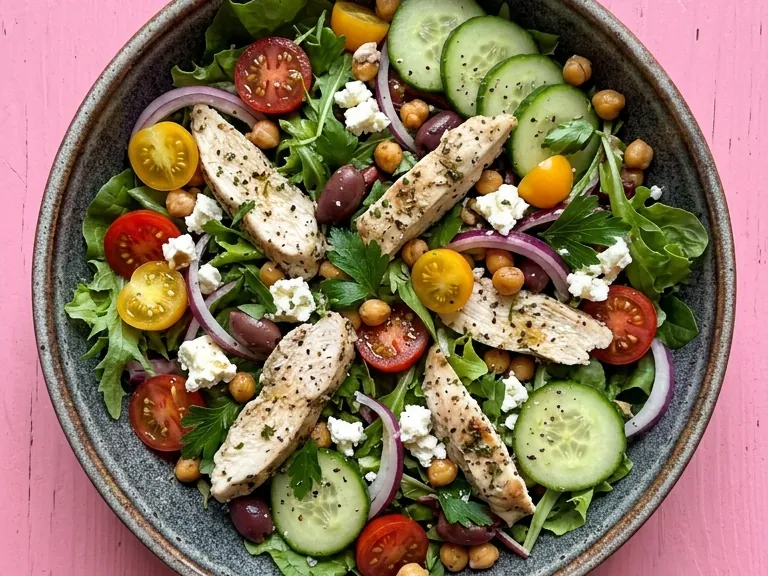
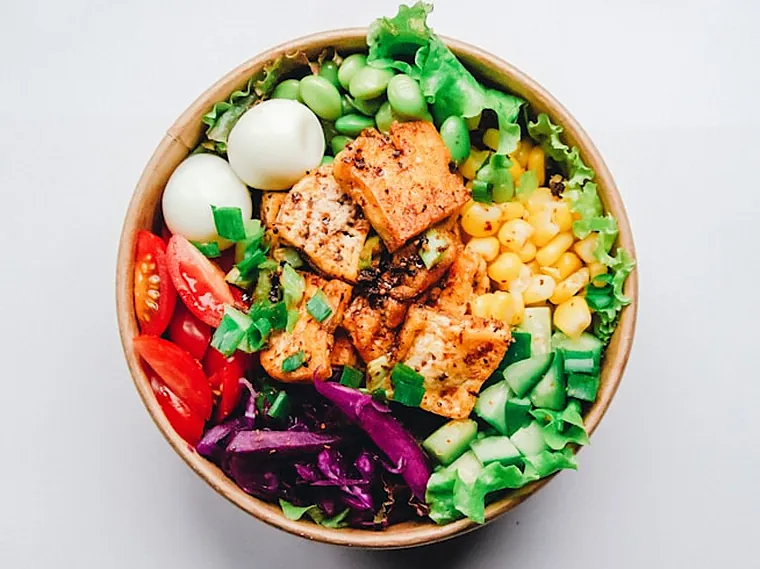
| Lunch | Chicken or tofu bowl, half a plate of non-starchy vegetables, quinoa or sweet potato, olive oil |
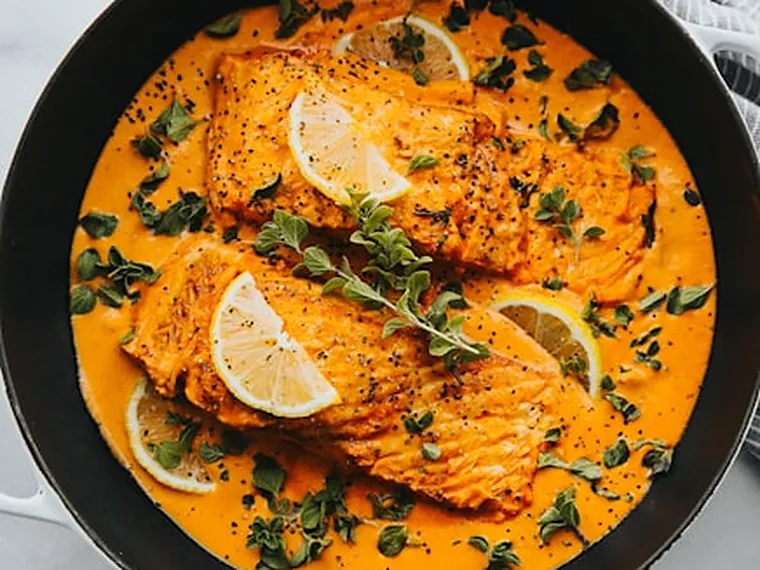
| Dinner | Salmon or turkey meatballs, a big salad, a small potato or lentils |
| Snacks | Cottage cheese, jerky and an apple, or a protein shake if you are short |
For a full week of meals, see our PCOS meal plan, and find dozens of recipes in the PCOS recipes hub.
3. Strength train 2-4 days a week
This is the habit most people who “finally” lose weight with PCOS point to. Full-body or upper/lower sessions with squats or hinges, a push, a pull, and core work, about 3 sets of 8-12, are enough. Resistance bands count. The 2023 International PCOS Guideline recommends combining resistance and aerobic activity. Follow our beginner PCOS workout plan if you are starting from zero.
4. Walk after meals and get your steps
A 10-15 minute walk after eating plus a daily step floor (many people aim for 7,000-10,000) beats punishing cardio you quit by week two.
5. Choose a carb level you can sustain
- Many people do well at about 100-130 g of carbs a day from potatoes, fruit, oats, and beans once protein is solid; others prefer lower.
- Cut liquid sugar and ultra-processed snacks first.
- If low-carb helped you feel less hungry, keep the protein and fat structure and reintroduce whole-food carbs around workouts.
More on carb pairing in what to eat for PCOS insulin resistance.
6. Use a modest deficit you can keep
Steady habits beat 1,200-calorie crashes, which tend to cost muscle and end in rebound. Some people find a bigger, protein-heavy breakfast and a lighter dinner easier to sustain. If you want numbers, our PCOS macros calculator gives a starting estimate.
7. Judge progress weekly, not daily
Waist, how clothes fit, strength gains, energy, and cycle regularity often move before the scale, especially when you are building muscle.
When to ask about medical help
If you have been consistent for a few months and nothing is changing, ask your doctor about testing glucose and insulin and about medical options. Clinicians may discuss metformin or anti-obesity medications in line with current guidelines.
What to track in PCOS Polly
Log protein (grams), strength sessions, steps or post-meal walks, and meals (patterns, not every crumb) in PCOS Polly. Optionally add a weekly waist measurement or photo, energy on a 1-5 scale, and cycle notes. Habit streaks beat scale anxiety when insulin resistance makes weight noisy day to day. More guides live on the PCOS Polly blog.
Sources
- Mayo Clinic. PCOS: diagnosis and treatment.
- Cleveland Clinic. Can PCOS cause weight gain?
- Teede HJ et al. 2023 International Evidence-based Guideline for the Assessment and Management of PCOS.
- Community experience: r/PCOSloseit and r/PCOS.
This article is for general wellness information and is not medical advice. Talk to your doctor or a registered dietitian before making major diet changes, especially if you take medication for blood sugar.
Frequently asked questions
What is the fastest way to lose weight with PCOS? +
There is no safe shortcut, and crash diets tend to backfire. The approach most often reported to work is steady: a protein target at every meal, strength training two to four times a week, fewer refined carbs and sugary drinks, walks after meals, and a modest calorie deficit you can keep for months.
How much protein should I eat to lose weight with PCOS? +
Targets commonly shared in PCOS communities are around 100 g or more a day, or roughly your goal weight in pounds as grams. Dietitian guides often cite 1.2-1.6 g per kilogram of body weight. Spread it across meals, starting with 25-35 g at breakfast. If you have kidney disease, ask your doctor first.
Do I have to go keto to lose weight with PCOS? +
No. Some people do well on low-carb diets, but many people report success with moderate carbs, around 100-130 g a day from whole foods such as potatoes, fruit, oats, and beans, once protein is solid. Pick the pattern you can live with for months.
Why am I not losing weight with PCOS even though I eat well? +
Insulin resistance, poor sleep, stress, and muscle gain from new training can all make the scale noisy. Look at waist, strength, energy, and cycle changes over four to eight weeks. If nothing is moving, ask your doctor about testing glucose and insulin and about medical options.
Is cardio or weights better for PCOS weight loss? +
Both help, but strength training is the piece many people say finally made the difference, because muscle improves how your body uses glucose. Pair two to four strength sessions a week with daily walking rather than relying on long, intense cardio.
Keep reading
All articles →-
 Guide
GuidePCOS Macros Calculator: How Much Protein, Carbs, and Fat to Eat With PCOS
Free PCOS macros calculator. Estimate daily calories, protein, carbs, and fat with PCOS-leaning defaults, plus a sample day, a plate shortcut, and how to adjust.
Read article -
 Guide
Guide7-Day PCOS Meal Plan: Simple Breakfasts, Lunches, Dinners, and Shopping List
A full 7-day PCOS-friendly meal plan built on protein, fiber, and fat at every meal, with paired carbs, planned leftovers, a core shopping list, and swaps for vegetarian, dairy-free, and budget needs.
Read article -
 Guide
GuideDoes PCOS Cause Weight Gain? Why It Happens and What to Track Instead of the Scale
PCOS often makes weight gain easier and weight loss harder through insulin resistance, androgens, and inflammation. Here is how the loop works, why lean PCOS is real, and the non-scale markers worth tracking.
Read article