Guide
Does PCOS Cause Weight Gain? Why It Happens and What to Track Instead of the Scale
PCOS often makes weight gain easier and weight loss harder through insulin resistance, androgens, and inflammation. Here is how the loop works, why lean PCOS is real, and the non-scale markers worth tracking.
By PCOS Polly ·

Key takeaways
- PCOS often causes weight gain indirectly: insulin resistance, higher androgens, and low-grade inflammation make fat storage easier and loss harder.
- Cleveland Clinic estimates that 40-80% of people with PCOS live with obesity, but lean PCOS is common too.
- Weight tends to collect around the midsection, so waist and how clothes fit can say more than total weight.
- For people who want to lose weight, losing about 5-10% of body weight is linked to better glucose, cholesterol, and sometimes cycles.
- Track energy, cravings, cycle length, strength, and waist alongside (or instead of) the scale.
Often yes, but indirectly. PCOS does not add pounds for everyone, but insulin resistance, higher androgen activity, and low-grade inflammation make it easier to store fat, especially around the midsection, and harder to lose it. Cleveland Clinic estimates that 40-80% of people with PCOS live with obesity, yet plenty of people have lean PCOS. You are not lazy; your hormones change the rules. The useful move is to track insulin-friendly habits and body signals, not only the scale.
How PCOS drives weight gain
Here is the loop in plain English:
- Higher insulin. When cells respond poorly to insulin, the body releases more of it. High insulin makes fat storage easier and can make hunger stronger after refined carbs.
- More androgens. High insulin signals the ovaries to make more androgens (like testosterone) and lowers SHBG, the protein that binds them, so more free androgen circulates.
- Central fat storage. Androgens plus insulin resistance push fat toward the abdomen.
- Cravings and crashes. Blood-sugar swings feed cravings, which feed more insulin.
That loop is why “eat less, move more” alone often stalls. For the full explanation, read PCOS and insulin resistance.
Other factors pile on: short or irregular sleep (and possible sleep apnea) disrupts hunger hormones, and chronic stress plus all-or-nothing dieting drive rebound cycles.
The “PCOS belly” pattern
Fat often sits around the abdomen in an apple shape. That is why waist measurements and how your jeans fit can matter more than total weight.
Lean PCOS is real
Insulin resistance shows up in many people who are not overweight: fatigue, carb crashes, irregular cycles, acne, and hair changes. Weight is a common symptom, not a requirement. Learn more in what is lean PCOS.
Focus on insulin first, the scale second
| Lever | What it looks like | Why it helps |
|---|---|---|
| Protein + fiber at every meal | Eggs, Greek yogurt, beans, chicken, tofu with vegetables | Steadier glucose, fewer 3pm crashes |
| Strength training | 2+ days a week | Muscle uses glucose and protects metabolism |
| Walk after meals | 10-15 minutes, especially after dinner | Blunts post-meal glucose spikes |
| Sleep | 7-9 hours | Short sleep worsens insulin sensitivity and hunger |
| Less liquid sugar | Swap soda and sweet coffee drinks | Easiest big win for many people |
Clinics routinely note that, for people who want to lose weight, about 5-10% weight loss improves cholesterol and glucose and sometimes fertility. That goal is optional, not a moral requirement, and metabolic wins often show up before a big scale drop. Our step-by-step guide to losing weight with PCOS covers the how.
Medical options
When lifestyle changes are not enough, clinicians may discuss metformin for metabolic features, anti-obesity medications such as GLP-1 drugs under general obesity guidelines, or bariatric referral when criteria are met. These are decisions to make with a doctor who knows your history.
What to track instead of obsessing over the scale
- Energy and afternoon crashes (rate 1-5)
- Cravings intensity after meals
- Cycle length and ovulation signs
- Waist, measured weekly at the same spot
- Strength: reps or weight on a few lifts
- Meals: protein hits, not calorie perfection
Skip the shame script
r/PCOS is full of people told that “weight isn’t related to PCOS” because lean PCOS exists. That is incomplete. Insulin resistance and weight are tightly linked for many people, and the experience of “my body holds weight” is widely shared and metabolically plausible.
Talk scripts that keep visits useful
- “I want metabolic health and energy, not a lecture about BMI.”
- “Can we check A1c or an oral glucose tolerance test and lipids regardless of my weight?”
- “What options exist if lifestyle alone isn’t moving my fasting glucose or insulin?”
What to track in PCOS Polly
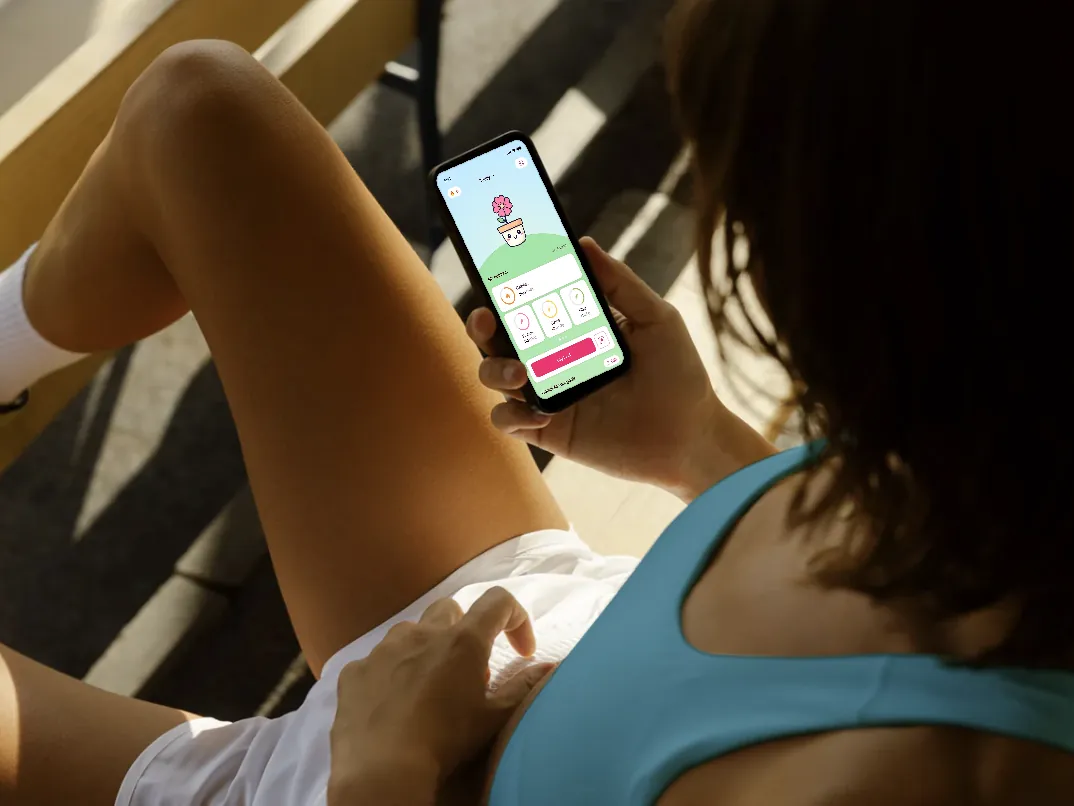
Use PCOS Polly for the habits that move insulin (protein, walks, lifts, sleep) plus non-scale markers: energy, cycle, waist notes, and strength. Log scale weight only if it helps you; weekly is enough. Find related guides on the PCOS Polly blog, including what to eat for insulin resistance.
Sources
- Cleveland Clinic. Can PCOS cause weight gain?
- Cleveland Clinic. Polycystic ovary syndrome (PCOS).
- Mayo Clinic. PCOS: symptoms and causes.
- Teede HJ et al. 2023 International Evidence-based Guideline for the Assessment and Management of PCOS.
This article is for general wellness information and is not medical advice. Talk to your doctor before starting a weight-loss plan or medication.
Frequently asked questions
Does PCOS cause weight gain? +
Often, yes, indirectly. PCOS does not add weight for everyone, but insulin resistance, higher androgen activity, and low-grade inflammation make it easier to store fat, especially around the abdomen, and harder to lose it. Many people with PCOS are lean, so weight is a common symptom rather than a requirement.
What is a PCOS belly? +
It is a common nickname for fat that collects around the abdomen in PCOS. Higher insulin and androgens tend to shift fat storage toward the midsection. Measuring your waist weekly at the same spot is a better progress marker than daily weigh-ins.
Why is it so hard to lose weight with PCOS? +
Higher insulin encourages fat storage and can intensify hunger after refined carbs, androgens shift fat to the midsection, and poor sleep or sleep apnea disrupt hunger hormones. That is why eat less, move more alone often stalls. Targeting insulin with protein, fiber, strength training, walking, and sleep tends to work better.
Can you have PCOS and not be overweight? +
Yes. Lean PCOS is common, and insulin resistance can still show up in people at a lower weight as fatigue, carb crashes, irregular cycles, acne, or hair changes. Body size alone does not define the diagnosis.
What should I say to a doctor who only talks about my BMI? +
Try: I want to focus on metabolic health and energy. Can we check A1c or a glucose tolerance test and lipids regardless of my weight? And what options exist if lifestyle changes alone are not moving my glucose or insulin?
Keep reading
All articles →-
 Guide
GuidePCOS and Insulin Resistance: Signs, Causes, Tests, and How to Manage It
Insulin resistance affects an estimated 50-70% of people with PCOS, including many who are lean. Learn the signs, how it drives androgens and irregular cycles, which tests to ask for, and the habits that help most.
Read article -
 Guide
GuideBest Exercise for PCOS: A Beginner 4-Week Workout Plan
The exercise mix that works best for most people with PCOS is strength training 2-3 times a week plus walking most other days. Here is why, and a free 4-week beginner plan you can start today.
Read article -
 Guide
GuideHow to Lose Weight With PCOS (Without Crash Diets)
A practical PCOS weight-loss playbook: the protein targets, strength training, carb ranges, and daily steps people commonly report working, plus what to track so insulin resistance doesn't derail you.
Read article